Introduction
In today's health care landscape, the importance of specialized training can not be overemphasized. For caretakers and wellness specialists alike, comprehending complex bowel care is not simply an added ability; it's a need that can significantly enhance person results. This article will certainly explore numerous elements of Enhancing Your Abilities with Complex Bowel Care Training Programs, especially focusing on exactly how these programs help equip people with the knowledge and skills needed to manage complex bowel care efficiently.
As we browse this topic, we'll think about essential aspects such as stoma care training, the nuances of looking after an ostomy, and the more comprehensive effects of efficient bowel care management. With a specific concentrate on NDIS (National Handicap Insurance Scheme) standards and demands, we intend to supply a detailed overview to both new and skilled caregivers.
Understanding Complex Bowel Care Training
What Is Complex Bowel Care?
Complex digestive tract treatment refers to the extensive administration of people that have certain bowel-related requirements, frequently because of clinical problems or medical treatments like ostomy procedures. These conditions may include incontinence, Crohn's illness, ulcerative colitis, or post-surgical recuperation entailing stomas. The training furnishes caretakers with innovative abilities that go beyond basic digestive tract treatment practices.
Why Is Complex Bowel Care Important?
The importance of complex bowel care can not be underrated. Numerous people depend on caretakers to keep their quality of life post-surgery or throughout persistent health problem administration. Effective bowel treatment not only enhances hygiene but additionally contributes to general physical health and emotional wellness. As a caregiver, having specialized training increases confidence in managing sensitive circumstances effectively.
Components of Complex Bowel Care Training
- Knowledge Acquisition: Understanding illness affecting bowel function. Hands-On Skills: Practical training in stoma care and various other techniques. Patient Interaction: Efficient interaction strategies for delicate discussions. Emergency Management: Acknowledging signs of issues that need immediate attention.
NDIS Complex Bowel Care Training
What Is NDIS?
The National Disability Insurance coverage Scheme (NDIS) supplies support for Australians with handicaps, guaranteeing they receive detailed treatment tailored to their individual requirements. Within this framework lies the importance https://squareblogs.net/carinewwtt/taking-care-of-clients-with-ostomies-a-full-guide-for-new-carers of specialized training programs developed for intricate digestive tract care.
NDIS Standards for Facility Bowel Care
Under NDIS guidelines, individuals requiring support with complicated bowel concerns are entitled to obtain qualified caretakers who have appropriate credentials. This includes being well-informed concerning:
- Legal civil liberties pertaining to personal health Customizing digestive tract care strategies according to individual needs Maintaining dignity and regard throughout caregiving
Choosing an NDIS Authorized Provider
When choosing an NDIS-approved company for complex bowel care training programs:
Verify Credentials: Guarantee they are approved by NDIS. Check Curriculum: Review what topics are covered in their training program. Seek Feedback: Look for endorsements from previous participants.Stoma Treatment Training for Carers
What Is Stoma Care?
A stoma is an opening produced operatively on the abdomen that enables waste to leave the body when the normal path is not available as a result of injury or illness. Stoma care entails managing this opening up properly to avoid infection and make sure comfort.
Importance of Stoma Care Training
Training in stoma care is important for caretakers because:
- It guarantees appropriate health methods are followed. It assists acknowledge signs of problems early. It teaches reliable interaction with clients about their condition.
Key Topics in Stoma Care Training
Understanding Sorts of Stomas: Colostomy vs ileostomy versus urostomy. Application Techniques: Correct techniques for applying ostomy bags. Skin Security Strategies: Avoiding irritation around the stoma site.Comprehensive Introduction of Digestive tract Treatment Courses
Different Sorts of Bowel Care Courses Available
There are several types of courses readily available that focus on various facets of bowel care:
|Training course Kind|Emphasis Areas|| ----------------------------------|------------------------------------------------|| Standard Bowel Care Training|Basic principles|| Advanced Complex Digestive Tract Monitoring|Thorough procedures and techniques|| Stoma Care Specific Training Courses|Specialized understanding on ostomy management|| Emergency Situation Feedback in Bowel Care|Taking care of immediate situations|
How to Choose the Right Course
When choosing a program, think about:
Your existing level of expertise Specific areas you want to specialize in The credentials supplied upon completion
Complex Bowel Care Management Techniques
Daily Monitoring Practices
Effective administration begins with everyday regimens that include:
- Monitoring nutritional intake Keeping track of digestive tract movements Regular skin assessments around stomas
Adopting these practices guarantees that any type of changes or concerns are determined promptly.
Nutrition's Role in Bowel Health
Nutrition plays a critical function in taking care of digestive tract wellness:
A balanced diet regimen abundant in fiber can improve digestive health. Staying moisturized is crucial for maintaining regularity. Understanding food intolerances can assist customize dish plans.Caring for an Ostomy
What Is Caring for an Ostomy?
Caring for an ostomy includes preserving hygiene around the stoma area, changing ostomy bags routinely, and ensuring comfort through proper suitable equipment.
Challenges Dealt with by Ostomates
Individuals dealing with ostomies commonly face:
Emotional challenges related to self-image post-surgery. Physical pain if bags are not fitted correctly. Social preconception associated with noticeable ostomies.By offering caring assistance and useful expertise, caregivers can substantially ease these challenges.
Ostomy Treatment Fundamentals
Basics Every Carer Need to Know
Here's a succinct list covering essential facets every caretaker need to be familiar with pertaining to ostomy care:
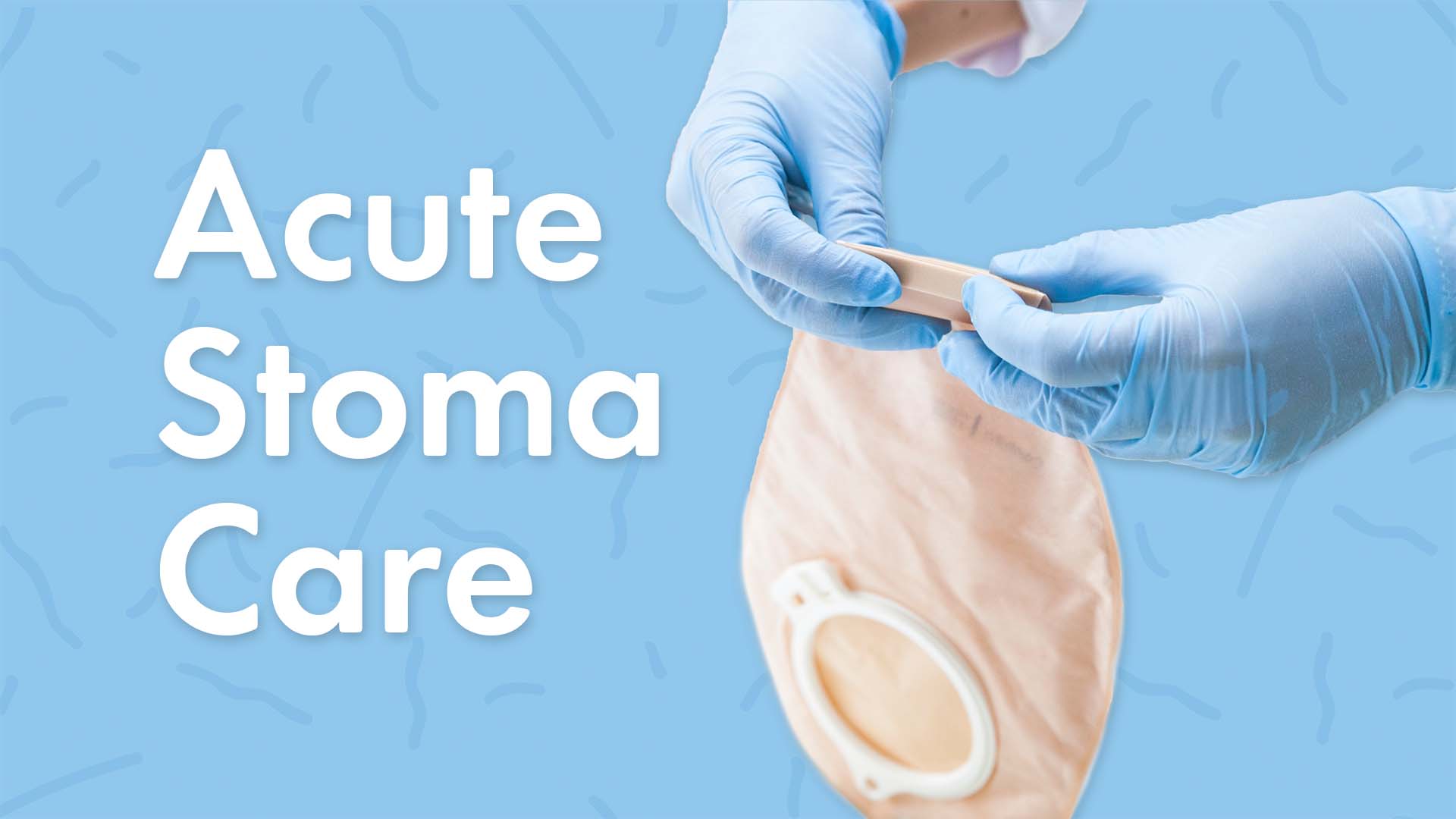
What Is an Ostomy?
An ostomy is a surgery that develops an opening (stoma) from an inner body organ to the outside body surface-- specifically made use of when components of the intestinal tract or urinary system must be bypassed due to ailment or injury.
What Is Ostomy Care?
Ostomy care involves all activities necessary to preserve correct health around the stoma website and make certain convenience throughout daily life tasks while preventing difficulties such as infections or skin irritations.
FAQ Section
1. What does NDIS complex bowel care training entail?
NDIS complex bowel care training consists of specialized education concentrated on handling patients with specific demands connected to their bowels or stomas under Australian disability assistance guidelines.
2. Who takes advantage of stoma care training?
Both caregivers and health care experts take advantage of stoma care training as it equips them with essential skills required when aiding individuals that have gone through surgeries calling for ostomies.
3. The length of time do most bowel care courses take?
The duration differs commonly depending on course depth; fundamental courses could take a few days while innovative ones could extend over weeks or months consisting of practical assessments.
4. Are there on-line choices offered for these courses?
Yes! Lots of organizations currently supply online versions that give adaptability while still keeping rigorous requirements in education and learning delivery concerning complicated bowel monitoring topics.
5. Can I obtain federal government financing for going to these programs?
In many situations of course; if you're qualified under NDIS you may obtain financial aid which covers expenses related straight connected towards your caregiving capabilities particularly focusing on specialized areas like complex bowel management!

6. Exists continuous support after finishing a course?
Most trustworthy organizations provide proceeded sources such as webinars or discussion forums where previous trainees can link about real-life experiences applying learned concepts post-training completion!
Conclusion
As we've discovered throughout this post labelled Enhancing Your Skills with Complex Bowel Care Training Programs, it's clear that specialized education plays an essential duty in improving person end results and boosting caretaker confidence when managing sensitive medical conditions surrounding bowels and ostomies alike! By spending time into complete understanding via training courses provided under frameworks like NDIS-- caregivers not just much better themselves but additionally favorably impact lives they touch everyday! To conclude-- education and learning absolutely remains extremely important within medical care settings today even more than ever before before!
This concludes our exploration into enhancing your skills through focused educational paths aimed at attending to complexities surrounding bowels & & ostomies!